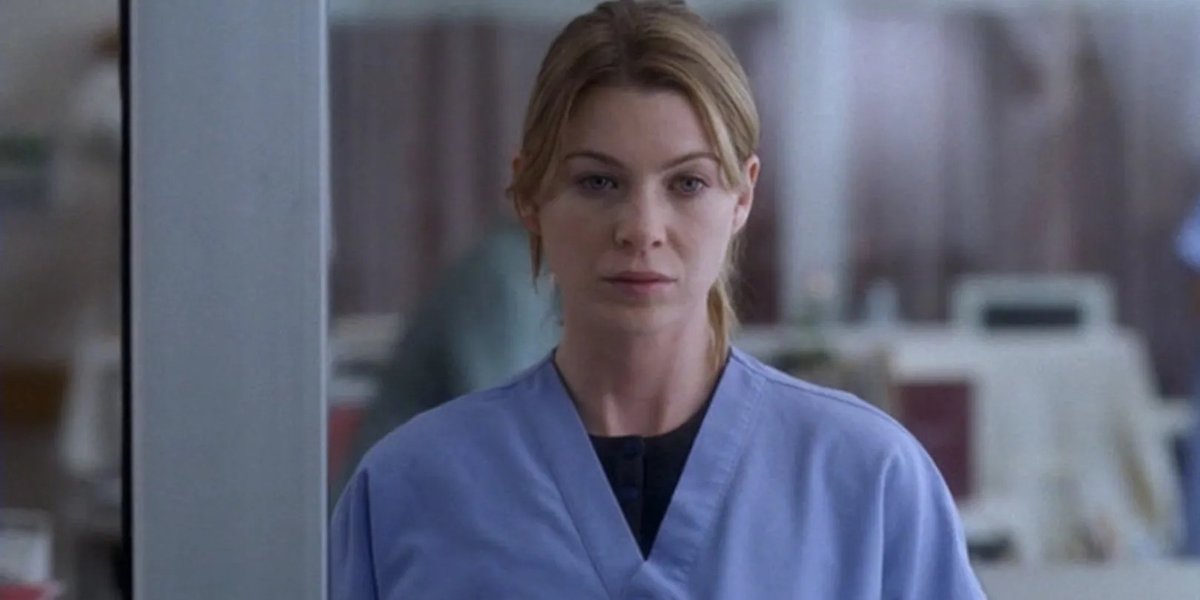
When a sitcom masterfully balances laugh-out-loud humor with gut-wrenching emotional blows, it leaves an indelible mark. Few episodes exemplify this tightrope walk better than Scrubs Season 4, Episode 6, "My Common Enemy." This isn't just another half-hour of television; it's a pivotal moment that continues to fuel intense Fan Theories & Discussion for Scrubs S04E06, nearly two decades later. It’s an episode that challenges viewers, provokes thought, and forces us to confront uncomfortable truths about grief, friendship, and family.
If you’ve ever found yourself rewatching it, rewinding a scene, or pausing to truly absorb the raw emotion, you’re not alone. This is an episode that demands — and rewards — deeper engagement.
At a Glance: Why "My Common Enemy" Still Resonates
- J.D.'s World Crumbles: The devastating news of his father's unexpected death.
- Dr. Cox's Conundrum: His perceived indifference creates a major point of contention and discussion.
- Dan's Descent: J.D.'s brother struggles openly with his own demons amidst family tragedy.
- Turk's Health Scare: A sobering subplot introduces a significant health challenge for a beloved character.
- The Messiness of Grief: The episode portrays the complex, often unsupportive, reality of mourning.
- Enduring Fan Debate: Still sparks passionate discussion on character motivations and emotional authenticity.
The Unforgettable Weight of "My Common Enemy"
Scrubs was always more than just a comedy. It had a unique knack for pulling the rug out from under you, delivering poignant moments that hit hard. "My Common Enemy," originally airing on October 19, 2004, is perhaps one of the most significant examples. The official synopsis from Pogdesign offers a stark preview: J.D. learns of his father's passing, grappling with his co-workers' varying reactions, particularly Dr. Cox's apparent disinterest. Meanwhile, J.D.'s brother Dan drowns his sorrows, and Turk faces a life-altering diagnosis.
This episode isn't just about plot points; it's about the emotional landscape it navigates. It explores grief in its rawest, most inconvenient forms, forcing both characters and viewers to confront the difficult truth that support isn't always what you expect, and sometimes, the people you need most are unavailable or ill-equipped. This foundation of emotional complexity is precisely why "My Common Enemy" continues to be a goldmine for fan theories and ongoing discussions.
J.D.'s Shattered World: The Core of the Grief Discussion
At the heart of the episode is J.D.'s reaction to his father's death. We've seen J.D. as the goofy, daydreaming protagonist, but here, the facade cracks. His grief is palpable, a visceral portrayal that grounds the entire episode. Fans often discuss how authentically J.D.'s processing of grief aligns with real-world experiences. Some point to his initial numbness, followed by attempts to find comfort, and then the crushing disappointment when that comfort isn't readily available from his primary mentor.
This narrative arc sparks crucial questions: How do we cope when a parent dies, even one with whom we had a complicated relationship? What does it mean when your support system falters? J.D.'s journey through these questions is what makes his experience so relatable, fueling countless conversations about the psychological impact of loss and expectation versus reality.
Dr. Cox's Enigma: Tough Love or Cruel Indifference?
The most contentious and enduring fan discussion revolves around Dr. Cox's behavior towards J.D. following his father's death. J.D. desperately seeks solace and guidance from his mentor, only to be met with what appears to be callous dismissal. Cox repeatedly assigns J.D.'s patients to him, tells him to "buck up," and seems preoccupied. Was this genuine detachment, or a calculated, if harsh, form of mentorship?
Fan Theories Abound:
- The "Tough Love" Theory: Many believe Cox, in his own twisted way, was trying to teach J.D. a valuable, albeit painful, lesson about the harsh realities of being a doctor – that personal grief cannot always interfere with patient care. This theory suggests Cox understood J.D. needed to be pushed to function, not coddled. You can delve into Dr. Cox's reaction to J.D.'s father's death to understand the nuances of this interpretation.
- The "Cox is Grieving Too" Theory: A more sympathetic view posits that Cox, while not showing it, was also affected by the death of J.D.'s father, a man he knew. Perhaps his gruffness was a coping mechanism, or he was projecting his own discomfort with expressing emotion. He might have seen the elder Dorian as a figure from his own past, triggering an unseen grief response.
- The "Incompetent Griever" Theory: This theory suggests Cox simply doesn't know how to handle grief, especially not someone else's. He defaults to what he knows best: work and pushing people, rather than offering emotional comfort. This isn't malice, but an emotional blind spot.
- The "Ultimate Test" Theory: Some fans argue Cox was testing J.D.'s resilience and commitment to medicine, pushing him to see if he could still perform under immense personal duress. He wanted to see if J.D. had what it took to be a truly great physician, regardless of personal pain.
These theories aren't mutually exclusive, often blending together in rich discussions across forums and social media. They highlight the complexity of Cox's character and the show's willingness to present morally ambiguous situations.
Dan Dorian's Despair: A Mirror to J.D.'s Grief
J.D.'s older brother, Dan (played brilliantly by Tom Cavanagh), makes a return, but this time, he’s not the carefree slacker we've seen before. He's spiraling, seemingly drunk in the bathtub throughout the day, unable or unwilling to offer J.D. the support he desperately needs. This depiction of Dan sparks its own set of intense discussions.
Key Discussion Points:
- The Burden of the "Older Sibling": Fans debate whether Dan's reaction is a failure of his older brotherly duties or a realistic portrayal of someone completely overwhelmed. Is he simply escaping, or is his own grief so profound he can't function? Exploring Dan's role in this pivotal episode reveals the depths of his character.
- Enabling or Empathy? J.D. struggles with Dan's behavior, often trying to cajole or shame him into sobriety. This raises questions about how one supports a loved one battling addiction or intense emotional pain, especially when you are also grieving.
- The "Unseen Grief" Theory: Perhaps Dan's alcoholism and apparent apathy are his only ways of coping with his father's death, masking a deeper, unspoken pain. He might feel a different kind of pressure or responsibility as the elder son.
- The Cycle of Dysfunction: The episode subtly hints at the Dorian family's history of emotional struggles, making Dan's behavior feel less like a plot device and more like a continuation of ingrained patterns.
Dan's storyline serves as a stark contrast to J.D.'s more functional, albeit difficult, grieving process. It forces viewers to consider the varied, often destructive, ways people cope with loss.
Turk's Health Scare: Grounding the Episode in Reality
Amidst the emotional chaos surrounding J.D.'s father, a significant subplot unfolds: Turk's diagnosis of Type II Diabetes. This storyline often gets less theoretical dissection but is crucial for several reasons:
- Relatability: It introduces a very real health concern that many viewers can relate to, grounding the episode in a different kind of reality. It shows that life-altering news doesn't wait for your personal tragedies to subside. For many, Turk's diabetes diagnosis and its lasting impact resonated deeply.
- Friendship Test: Carla's reaction and immediate concern highlight the strength of her and Turk's relationship, offering a powerful counterpoint to J.D.'s faltering support system.
- Future Implications: This diagnosis has long-term implications for Turk's character arc, representing a moment of forced maturity and responsibility that extends well beyond this single episode. It adds a layer of vulnerability to a character often seen as invincible.
- The "Contrast" Theory: Some fans argue Turk's storyline serves to contrast J.D.'s emotional grief with a tangible, physical threat. Both are life-altering, but one is internal, the other external, forcing both characters to re-evaluate their lives.
This subplot, while not directly tied to J.D.'s father, subtly reinforces the episode's themes of life's unpredictable challenges and the importance of resilience.
The Ensemble's Unsung Support: Beyond the Core Drama
While Cox and Dan dominate the emotional discourse, the other characters' reactions to J.D.'s grief are equally important, sparking discussions about the nuanced ways people offer comfort (or fail to).
- Elliot's Awkward Empathy: Elliot attempts to be there for J.D., often in her uniquely clumsy but well-intentioned way. Her efforts, though sometimes ineffective, highlight the desire to help, even when unsure how.
- Carla's Pragmatic Care: Carla, ever the maternal figure, offers practical support and understanding. She doesn't hesitate to call out others (like Cox) for their perceived lack of empathy. Her steadfastness is a comforting presence.
- The Janitor's Unpredictable Wisdom: The Janitor, in his own eccentric manner, often offers surprisingly profound observations, or at least a distraction. His presence reminds viewers that help can come from unexpected places, or simply through shared humanity.
- The Extended Cast: Even minor characters and the guest stars and cameos in S04E06 contribute to the hospital's bustling backdrop, creating a sense of normalcy that J.D. must navigate despite his internal turmoil. How do these smaller interactions shape J.D.'s experience?
These interactions provide a broader spectrum of reactions to grief, emphasizing that there's no single "right" way to mourn or to support someone who is.
Deeper Meanings: Symbolism and Storytelling
Beyond character motivations, fans often dive into the episode's structural and thematic elements.
- The Title "My Common Enemy": Who or what is the common enemy? Is it grief itself? Death? Misunderstanding? The challenges of adulthood? This title invites multiple interpretations, deepening the thematic analysis.
- The Power of Music: Scrubs is renowned for its iconic soundtrack. In "My Common Enemy," the musical choices are particularly potent, amplifying the emotional stakes. Analyzing the soundtrack's deeper meanings can reveal how songs are used to underscore J.D.'s isolation, Cox's internal struggle, or the broader themes of loss and resilience.
- The Blending of Comedy and Drama: How does the episode manage to maintain its comedic voice while tackling such heavy themes? Fans frequently discuss the show's unique ability to pivot from a laugh to a tear, often within seconds, a hallmark of its storytelling genius. This balance is a constant source of admiration and analysis.
Common Questions and Misconceptions Addressed
"My Common Enemy" generates many recurring questions that are central to Fan Theories & Discussion for Scrubs S04E06. Let's tackle a few:
Q: Was Dr. Cox truly heartless towards J.D. in this episode?
A: While his actions appear callous, many fans argue it was Cox's extreme form of tough love, pushing J.D. to prioritize his patients despite his personal grief, a critical lesson for any doctor. It's less about malice and more about his rigid philosophy of medicine and emotional suppression.
Q: Why didn't J.D.'s friends offer more concrete support?
A: The episode portrays the messy reality of grief. While Elliot and Carla try, their support isn't always perfectly tailored to J.D.'s needs. It highlights that even well-meaning friends can struggle to know how to help effectively, especially when faced with such profound loss.
Q: Was Dan's alcoholism just a convenient plot device?
A: Dan's behavior, while dramatic, serves as a realistic portrayal of someone spiraling under immense pressure and grief, possibly exacerbated by pre-existing issues. It emphasizes that not everyone copes constructively and offers a stark contrast to J.D.'s journey, providing depth to the Dorian family dynamic.
Q: Did Turk's diabetes diagnosis overshadow J.D.'s grief?
A: No, it added another layer of real-world complexity. The simultaneous health scare for Turk serves to demonstrate that life's challenges rarely happen one at a time. It also showcased the strength of Turk and Carla's bond in crisis, providing a contrasting example of support to J.D.'s experience.
Q: Is this episode too dark for a comedy?
A: Scrubs frequently delved into serious themes, using humor as a coping mechanism. This episode, while intensely dramatic, is a testament to the show's unique ability to blend genres, using the emotional depth to make the comedic moments even more impactful. It's a hallmark of the show's genius, not a misstep.
Engaging in Deeper Fan Discussions
If you're eager to dive deeper into the emotional tapestry of "My Common Enemy," here's how you can engage with the vibrant fan community:
- Rewatch with a Critical Eye: The first step to forming your own theories is to rewatch the episode. Pay close attention to subtle glances, background actions, and dialogue you might have missed. You can Stream Scrubs S04E06 easily and absorb every detail.
- Explore Fan Forums and Subreddits: Websites like FanForum (which inspired some of the meta-discussion here) and Reddit's r/Scrubs are treasure troves of fan theories. Read through existing threads, see what others have posited, and feel free to add your own insights.
- Podcast Deep Dives: Many podcasts dedicated to Scrubs offer episode-by-episode breakdowns, often featuring discussions of fan theories. Listening to diverse perspectives can broaden your understanding.
- Consider Different Perspectives: When analyzing Dr. Cox or Dan, try to put yourself in their shoes. What unseen pressures might they be under? This empathy can lead to fresh, compelling interpretations.
- Look for Literary Devices: Scrubs often uses symbolism, foreshadowing, and callbacks. How do these elements contribute to the episode's overall message? Consider a full episode review and breakdown for analytical insights.
- Connect to Broader Themes: How does "My Common Enemy" fit into the larger narrative arc of Scrubs? Does it represent a turning point for J.D.'s character or his relationship with Cox?
The Enduring Legacy of "My Common Enemy"
"My Common Enemy" stands as a testament to Scrubs's daring storytelling and its profound emotional intelligence. It's an episode that doesn't offer easy answers but instead invites contemplation, empathy, and spirited debate. The vibrant Fan Theories & Discussion for Scrubs S04E06 prove that its emotional impact has only grown stronger with time, making it a cornerstone of the series' lasting legacy.
Whether you see Dr. Cox as a mentor, a monster, or simply a man struggling with his own limitations, and whether Dan is a tragic figure or a cautionary tale, the discussions around this episode highlight the universal truths of grief, flawed relationships, and the search for connection in a messy world. So, queue it up, grab some tissues, and prepare to feel, think, and ultimately, connect with a community that understands the deep resonance of Sacred Heart Hospital's most poignant moments.